


IMPLANT
Oral appliances offered by a dentist are becoming the first-line therapy for mild to
moderate OSA sufferers due to their high compliance and increasing effectiveness.Even severe sleep apnea patients, if non-compliant with CPAP. are able to get a mandibular advancement device through a dentist. NDX has a variety of mandibular advancement devices which are all cleared for the treatment of Obstructive Sleep Apnea.
There are a couple of different types of implants that differ in how they are attached to your jawbone.
The two types are:
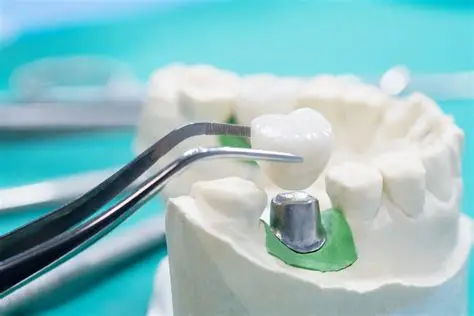
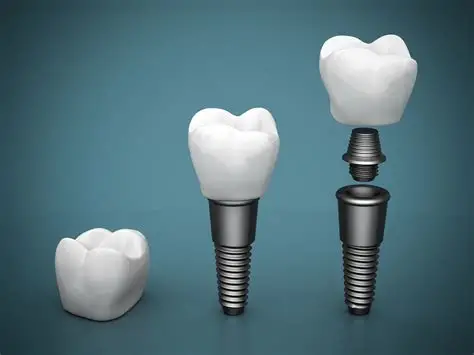
Endosteal implant. This is the most common type. It usually looks like a screw, cylinder, or blade that is implanted in your jawbone during surgery. Each of these implants can hold one or more prosthetic teeth. This is a good option for people who already have bridges or removable dentures.
Subperiosteal implant. This is placed on top of the jaw, with posts from a metal framework sticking out through your gum to hold your prosthetic teeth. This is a good option for people who can't wear removable dentures or don't have enough bone in their jaw to hold an endosteal implant.
There are a couple of different types of implants that differ in how they are attached to your jawbone.
The two types are:
Endosteal implant. This is the most common type. It usually looks like a screw, cylinder, or blade that is implanted in your jawbone during surgery. Each of these implants can hold one or more prosthetic teeth. This is a good option for people who already have bridges or removable dentures.
Subperiosteal implant. This is placed on top of the jaw, with posts from a metal framework sticking out through your gum to hold your prosthetic teeth. This is a good option for people who can't wear removable dentures or don't have enough bone in their jaw to hold an endosteal implant.
product description